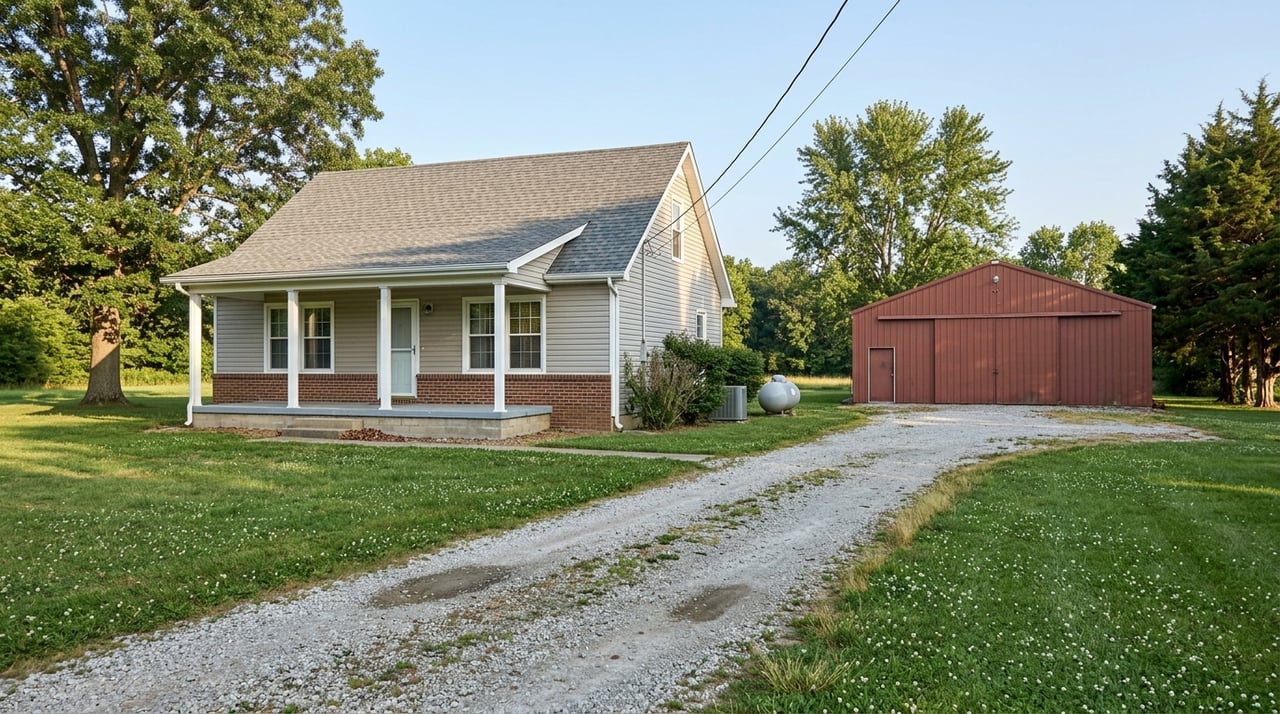
Dreaming about more space, fewer neighbors, and room to spread out? In Livingston County, that idea is not just a lifestyle trend. It fits the land itself. If you are thinking about buying a country home or acreage property in this part of Central Illinois, you need more than a pretty view. You need to understand how rural properties work, what to verify before closing, and how to plan for daily life. Let’s dive in.
Why Livingston County Fits Country Living
Livingston County has the kind of landscape many acreage buyers are looking for. According to the county’s official website, it sits in the upper portion of Central Illinois and includes communities like Pontiac, Dwight, Fairbury, Cornell, Forrest, Odell, Saunemin, and Chatsworth.
This is a large, rural county. The county highway department notes that Livingston County covers 1,044 square miles, with 30 townships, 257 miles of county highways, and 1,610 miles of township roads. The county health department also reports that 64.6% of residents are rural, which helps explain why country homes feel like a natural fit here.
The area’s identity is tied closely to agriculture. Livingston County’s comprehensive plan emphasizes preserving prime farmland, protecting rural character, and using land efficiently. It also notes that most unincorporated land is agricultural, with cropland and pasture covering 95% of the county, which is one reason buyers are often drawn to open views, privacy, workshop space, and room for gardens or outbuildings.
Acreage Homes Offer a Different Lifestyle
Buying an acreage home is different from buying a house in town. You may be looking for extra garage space, a pole barn, land for hobbies, or simply a quieter setting with more breathing room. In Livingston County, those goals often line up well with the county’s rural landscape and long agricultural history.
The USDA 2022 County Profile shows 1,448 farms and 606,271 acres in farms, with an average farm size of 419 acres. Corn and soybeans dominate production, and 85% of farm sales came from crops. For you as a buyer, that means many rural properties are surrounded by active agricultural land, which can shape views, road traffic, land use expectations, and the overall feel of the area.
What to Check Before You Buy
A rural property can be an excellent long-term move, but it also comes with details you should verify early. Acreage homes often involve systems, permits, and access issues that do not come up as often in more suburban neighborhoods.
Well and Septic Questions
If the home is not served by public utilities, private systems become a major part of your due diligence. The Livingston County Health Department Environmental Health division supports safe water, private sewage systems, and geothermal systems. It regulates private sewage disposal, inspects systems, issues permits, and tests and licenses installers.
For real estate transactions, the department lists $150 for a well inspection with water sample, $150 for a septic inspection, and $300 for both. Its Water and Geothermal information also states that new water-testing regulations took effect in June 2025, so it is smart to confirm the current process as soon as you go under contract.
A few smart questions to ask include:
- Is the home served by a private well, septic system, or both?
- When were those systems last inspected or updated?
- Are there permits or maintenance records available?
- What is the timeline for scheduling inspections before closing?
Zoning and Allowed Uses
Not every acreage parcel can be used the same way. If you want a barn, workshop, detached garage, fence, addition, or another nonstandard improvement, zoning matters.
The county’s Regional Planning and Zoning office manages county development, zoning rules, and subdivision requirements. Its document center includes building permit, special use, and variance applications. That makes this office an important stop if you want to confirm what is currently allowed on a property and what approvals may be needed later.
Road Access and Winter Maintenance
Access can be easy to overlook when a property shows beautifully in good weather. In rural areas, you should verify who maintains the road, what snow removal looks like, and whether any county involvement may be needed for future work near roads or utilities.
The Highway Department maintains and improves the county highway system, handles snow removal, and coordinates with townships across 1,610 miles of roadway. It also lists a construction or utility permit, which is useful to know if future projects could affect access or roadside improvements.
Taxes and Exemptions
Ownership costs for acreage homes can vary based on land use, valuation, and exemption eligibility. Before you buy, it is worth reviewing how the property is assessed and whether any exemptions may apply after closing.
The Supervisor of Assessments office values real property, equalizes values to 33.33% of market value, and maintains exemptions for owner-occupied, senior, disability, veteran, and home-improvement situations. The office also links to a Farmland Assessment Review Committee, which can be relevant when a property includes land beyond the immediate homesite.
Daily Life on Acreage
Country living can feel peaceful and practical, but it helps to plan for how your day-to-day routine will work. The right property is not just about the house. It is also about transportation, internet, errands, and how comfortable you feel with a more rural setup.
Transportation Planning Matters
In-town convenience and rural privacy are not the same thing, so think carefully about your usual routine. Commutes, school runs, medical appointments, and grocery trips may take more planning when you live outside a population center.
Livingston County recently shared that rural transportation services have changed, with ride assistance being arranged for immediate needs like medical appointments while the county seeks another provider after ending its ShowBus contract. For buyers, that is a reminder to think through vehicle dependence and backup transportation plans.
Verify Broadband by Address
One of the biggest mistakes acreage buyers make is assuming internet service is the same outside town as it is inside town. Coverage can vary a lot from one road to the next.
The Illinois Department of Commerce and Economic Opportunity says its broadband maps and data resources and the FCC map can help you check providers and speeds by address. If reliable internet matters for work, school, streaming, or security systems, verify service at the exact parcel before you move forward.
A Simple Acreage Home Checklist
When you tour country homes in Livingston County, keep this short checklist handy:
- Confirm whether the property has private well and septic systems
- Ask about inspection timing and current county requirements
- Review zoning for barns, workshops, fences, or additions
- Verify road access and who handles winter maintenance
- Check broadband service at the exact address
- Ask how property taxes and exemptions may apply
These questions can save you time, stress, and unexpected costs later.
Why Local Guidance Helps
Acreage homes are appealing because they offer flexibility and space, but they also ask more from a buyer. You are not just evaluating bedrooms and finishes. You are looking at land use, infrastructure, access, utility systems, and long-term ownership costs.
That is where local experience matters. When you work with someone who understands country properties in Livingston County, you can move through the process with clearer expectations and better questions from the start.
If you are exploring country living or acreage homes in Livingston County, Christopher Piercy can help you evaluate properties, navigate the details, and move forward with confidence.
FAQs
What should you inspect before buying an acreage home in Livingston County?
- You should confirm whether the property has a private well and septic system, then schedule the appropriate inspections through the Livingston County Health Department’s Environmental Health division.
What zoning questions matter for Livingston County acreage homes?
- You should verify whether zoning allows your planned use, such as a barn, workshop, fence, garage, addition, or other nonstandard improvement.
How do road maintenance issues affect country homes in Livingston County?
- You should ask who maintains the road or access point, how snow removal is handled, and whether any county permits could be required for future work near the roadway or utilities.
How can you check internet service at a rural Livingston County property?
- You can use Illinois broadband map resources and the FCC map to check provider availability and speeds at the exact address rather than assuming nearby coverage applies.
How are property taxes handled for acreage homes in Livingston County?
- Property taxes are administered through the Supervisor of Assessments office, which values property, equalizes assessments, and provides information about available exemptions and farmland-related assessment questions.