Dreaming about a home near the water around Braidwood? It can be a great lifestyle move, but this area comes with a different set of questions than a typical suburban purchase. If you want a lake or river area home that fits your plans and avoids surprises, you need to understand how local water access, flood risk, utilities, and seasonal rules can shape the deal. Let’s dive in.
What “lake and river area” means near Braidwood
Around Braidwood, water-oriented property often connects to managed recreation land rather than a private natural lake setting. The Illinois Department of Natural Resources describes Mazonia-Braidwood State Fish and Wildlife Area as a major recreation destination, including Mazonia in Grundy County and Braidwood Lake Fish and Wildlife Area in Will County.
This matters because a “lake home” in this corridor may not mean full private waterfront use. In some locations, nearby water is part of a public-use area with access rules, seasonal closures, or wildlife-area restrictions that can affect how you enjoy the property.
The same idea applies if you are looking near river recreation. Kankakee River State Park is a useful example nearby, where canoes and kayaks are allowed on 25 miles of river, but swimming is not allowed because of fast currents, drop-offs, and a rocky bottom.
Start with access and use rules
Before you fall in love with a water-adjacent home, make sure you understand what kind of access actually comes with it. Some buyers assume they can boat, fish, launch kayaks, or build shoreline features whenever they want, but that may not match the local reality.
In the Braidwood corridor, managed water areas can have seasonal limits. IDNR notes that some Mazonia-Braidwood units close to boating and fishing 10 days before waterfowl season, and some nearby recreation facilities may also be seasonal or subject to closure.
That means your first questions should be practical ones:
- Is the home truly waterfront, water-view, or simply near a public recreation area?
- Is access private, shared, or public?
- Are boating and fishing available year-round or only during certain seasons?
- Are docks, launches, or shoreline improvements allowed and transferable?
- Are paths, launch points, or shoreline areas maintained in winter?
Flood risk is an address-level issue
When you buy near water, flood risk should never be treated as a guess. FEMA’s Flood Map Service Center is the official place to check flood hazard mapping by address, which makes it an important first step in your due diligence.
Just as important, being near water is not the same as being in a mapped flood zone. A property may sit close to a lake, drainage area, ditch, or river corridor without carrying the same flood exposure as the lot next door, so the exact parcel matters.
Insurance also matters early in the process. The Illinois Department of Insurance says standard homeowners and renters insurance typically does not cover flooding, and flood policies through the National Flood Insurance Program generally have a 30-day waiting period unless a narrow exception applies.
Read seller disclosures carefully
Illinois gives buyers an important tool through the Residential Real Property Disclosure Report. The form asks whether the seller has flood hazard insurance, knows the property is in a floodplain, or knows about flooding or recurring leakage in the basement or crawl space.
That makes the disclosure especially important when you are buying a home near a lake, river, wet area, or drainage corridor. It can help you spot issues that deserve more inspection, more documentation, or more conversations with your attorney, inspector, and insurance contacts.
Illinois law also requires the seller to provide the disclosure before contract signing and to supplement it before closing if the seller later learns of an omission or error. For you as a buyer, that supports asking for disclosures and water-related records as early as possible.
Check well and septic before you commit
Many water-area and exurban homes near Braidwood may use private well and septic systems instead of public utilities. If that is the case, your due diligence should go beyond the house itself.
Will County’s well-and-septic survey asks sellers to disclose conditions that could affect water supply or sewage disposal, and the county notes that the final report can take 7 to 10 working days. In Grundy County, septic permitting guidance calls for a scaled site plan, soil evaluation, and inspection scheduling before permit issuance.
Grundy County also flags features such as bodies of water, drainage ditches, wetlands, and floodplain areas when siting septic systems. In simple terms, the closer a property is to low-lying or water-adjacent land, the more likely it is that drainage, layout, and permitting details will matter.
Questions to ask about private utilities
- Does the property use public water and sewer or private well and septic?
- Are there recent well test results?
- Are there septic maintenance or pumping records?
- Has the system ever had repairs, backups, or drainage issues?
- Will county review or inspections be needed before closing?
Seasonal maintenance is part of ownership
A lake or river area home can be rewarding, but ownership usually comes with more maintenance planning. That is especially true if the home is used seasonally, sits in a humid area, or relies on private utilities.
For wells, regular testing is important. The U.S. EPA recommends annual testing for total coliform bacteria, nitrates, total dissolved solids, and pH, and says wells should also be retested after flooding, repairs, or major nearby changes. Illinois EPA also says coliform bacteria and nitrate should be tested yearly.
For septic systems, ongoing maintenance is just as important. Illinois Extension warns that septic failure can contaminate drinking water and lead to major repair costs, while Grundy County states that septic or aerobic tanks must be maintained and pumped periodically by a licensed pumper.
If you are buying a second home or part-time property, ask how the home is managed in colder months. Winterization, shutoff procedures, snow access, and off-season shoreline maintenance can all affect both cost and convenience.
Moisture and mold deserve extra attention
Water-adjacent homes often need a closer look at moisture control. The Illinois Department of Insurance notes that mold grows where moisture is present, with common causes including leaks, drainage problems, and humidity.
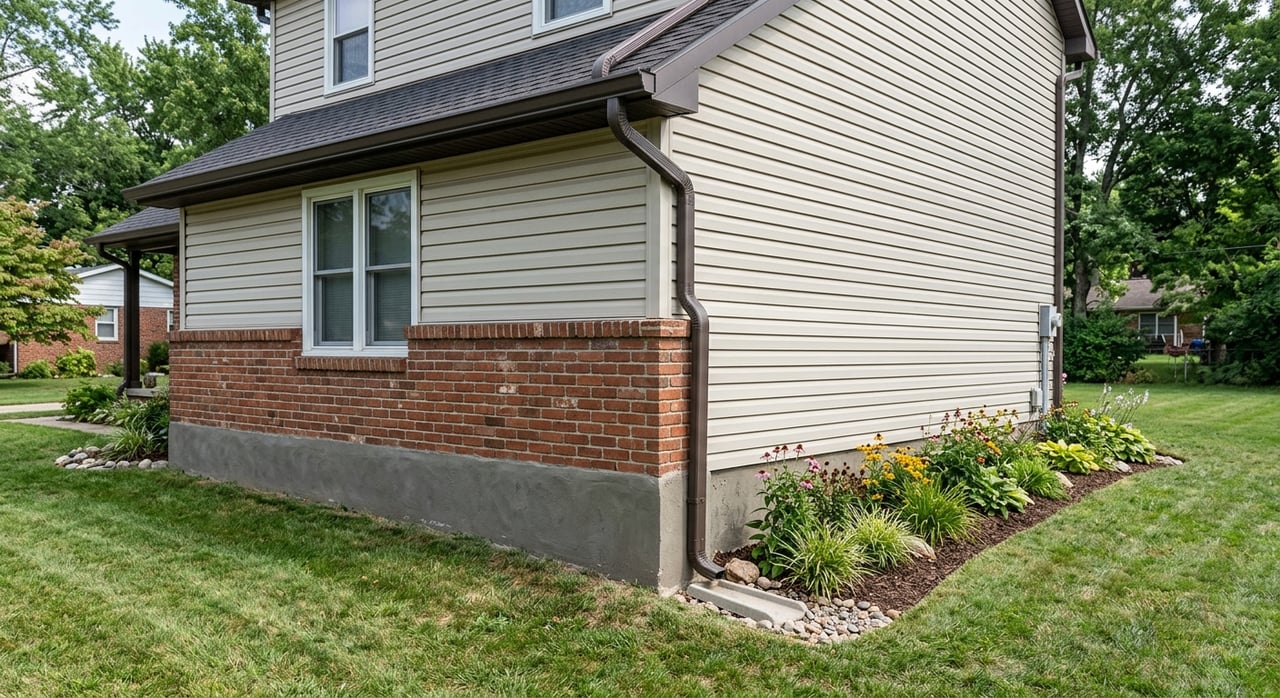
That makes a careful inspection even more important. Pay close attention to grading, gutters, roof condition, sump pumps, crawl spaces, basements, and ventilation, because these details can shape your day-to-day comfort and your long-term maintenance budget.
A house can look beautiful on showing day and still have hidden moisture patterns. That is why it helps to investigate both the structure and the site itself.
Don’t overlook survey and drainage questions
In Will County, floodplains and regulatory floodways are treated as special management areas, and local development ties into state floodway permitting requirements. For buyers, the big takeaway is simple: the more water-adjacent or low-lying the parcel is, the more survey, drainage, and permit questions may come into play.
This is one reason lake and river area homes often need more than a basic suburban checklist. You may need extra time to confirm lot lines, drainage paths, easements, improvements, and whether any shoreline features were properly approved.
If a property includes outbuildings, shoreline work, or unusual site improvements, it is smart to ask for records early. Those details can affect both current use and future plans.
Mine subsidence can matter here too
Water-related due diligence is important, but it is not the only special issue in this corridor. The Illinois Mine Subsidence Insurance Fund lists Grundy County as a mandatory county, and mandatory-county policies automatically include mine subsidence coverage.
That means if you are buying in or near this part of the market, it is worth asking your insurance provider what coverage applies to the specific property. This is another example of why area homes can require a more tailored review than a standard transaction.
Build protections into your offer
A strong offer is not just about price. On a lake or river area home near Braidwood, it should also protect your ability to investigate the property’s water-related risks and systems.
Useful protections can include:
- A home inspection contingency
- A flood-map review contingency
- A survey and title review contingency
- Well and septic contingencies
- Time to review county or state permit records
- Enough time to get flood and specialty insurance quotes before waiving key rights
This matters because flood coverage may require separate planning, and county reviews on private systems can take time. If you move too fast, you may lose the chance to verify issues that could affect cost, use, and insurability.
Why local guidance helps
Buying near the water around Braidwood often means coordinating more moving parts than a typical home purchase. You may need help lining up the right inspector, attorney, title contacts, insurance professionals, survey providers, and local county resources.
That is where local experience can make a real difference. When you have someone guiding the process who understands Will, Grundy, and the surrounding south/central Chicagoland corridor, it becomes easier to ask better questions early and move forward with more confidence.
If you are thinking about buying a lake or river area home near Braidwood, Christopher Piercy can help you sort through the details, coordinate the right local resources, and build a smarter plan before you make an offer.
FAQs
What should buyers know about lake homes near Braidwood?
- Many water-oriented properties near Braidwood are near IDNR-managed recreation areas, so access, boating, fishing, and shoreline use may be subject to public rules, seasonal closures, or permit limits.
How can buyers check flood risk for a Braidwood-area property?
- Buyers should verify the exact property address through FEMA’s official flood mapping tools and review seller disclosures for floodplain location, flood insurance, and any known flooding or recurring leakage.
Do Braidwood-area river and lake homes always have public water and sewer?
- No. Some exurban and water-area homes may use a private well and septic system, which means testing, maintenance records, and possible county review are important before closing.
What maintenance issues matter most for homes near water around Braidwood?
- Buyers should pay close attention to well testing, septic maintenance, drainage, sump pumps, roof condition, ventilation, humidity, and signs of leaks or mold.
Are boating and fishing available year-round near Braidwood water properties?
- Not always. Some nearby managed recreation areas have seasonal restrictions or closures, so buyers should confirm how access and activities work for the specific property and location.
What contingencies should buyers consider for a lake or river area home near Braidwood?
- Buyers should consider inspection, flood-map, survey and title, and well and septic contingencies, along with enough time to review permit records and insurance options before removing protections.