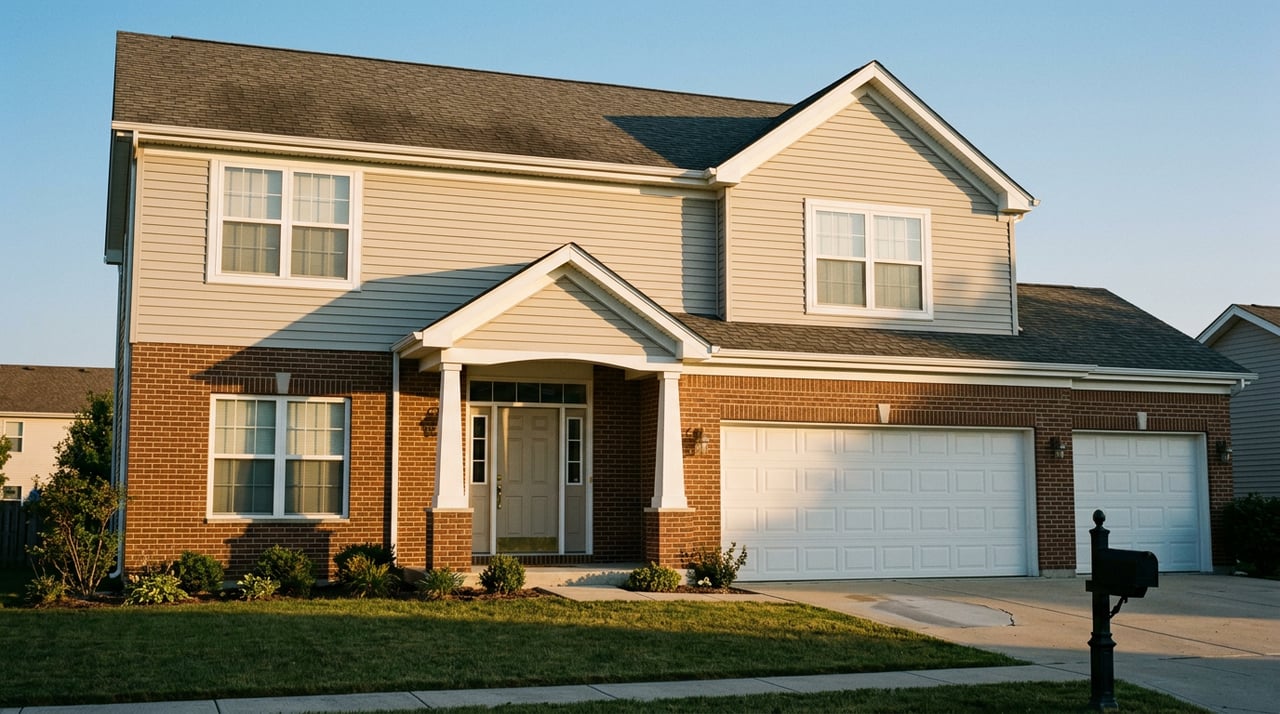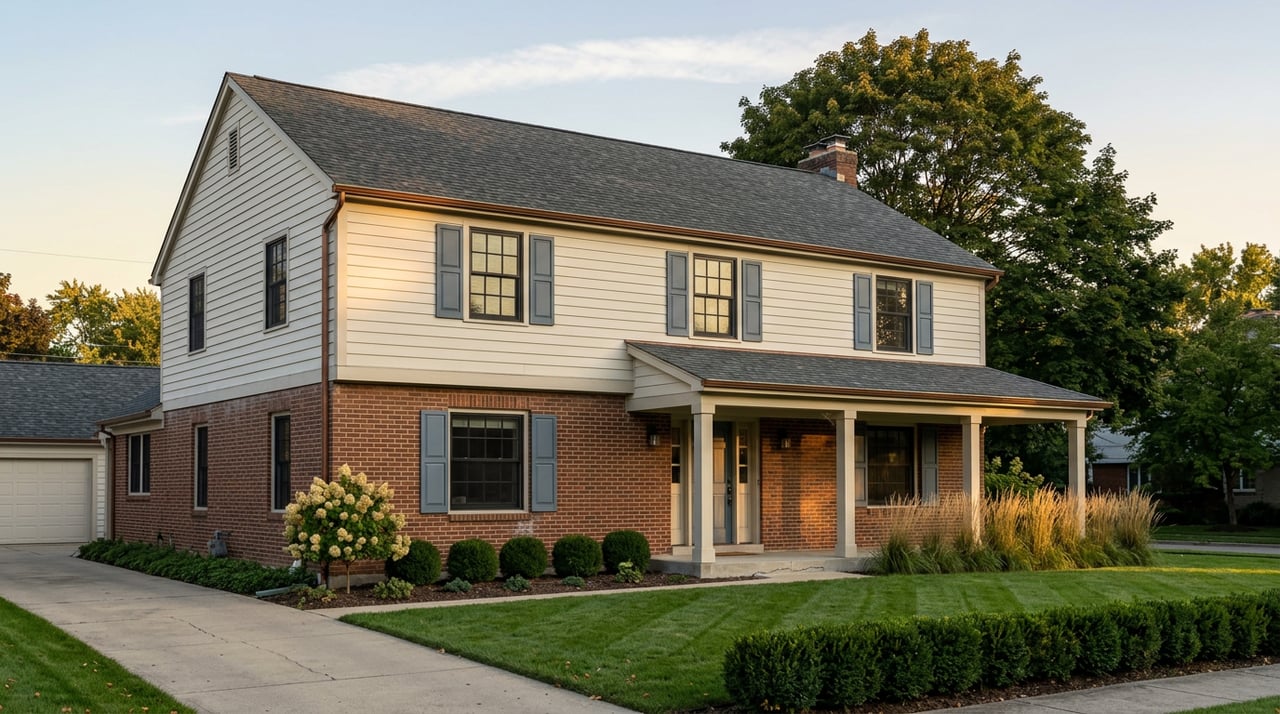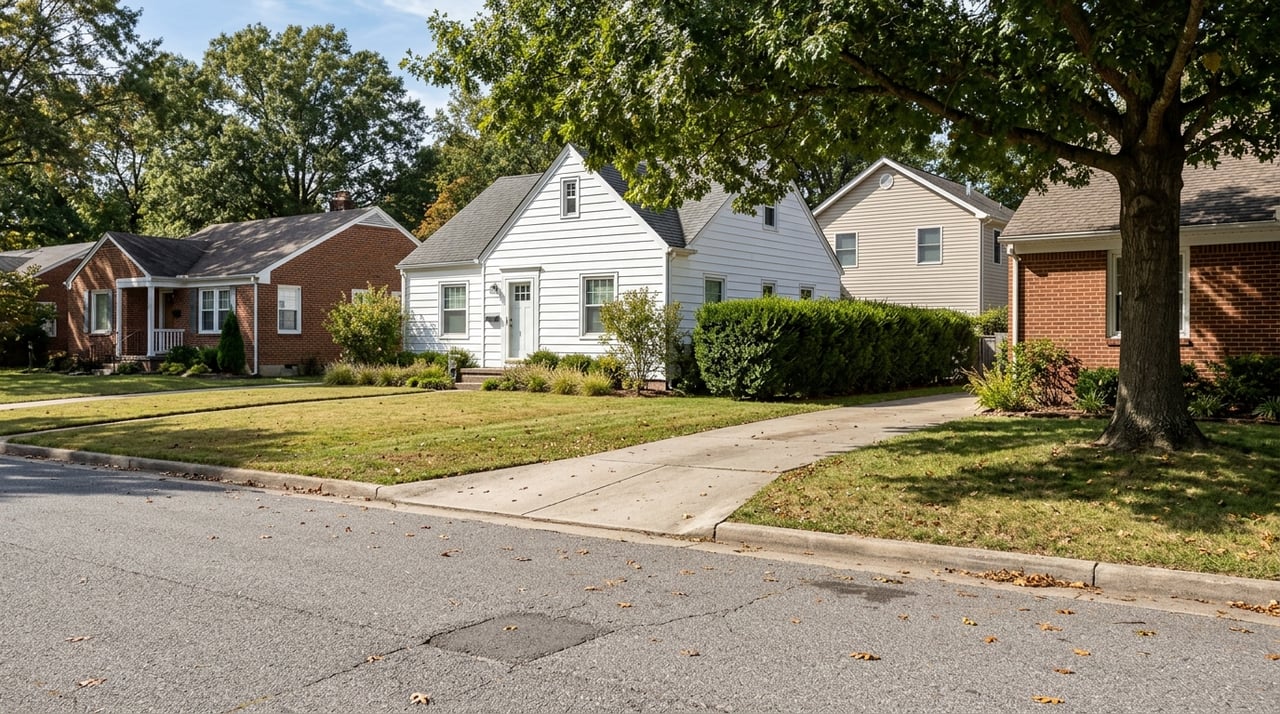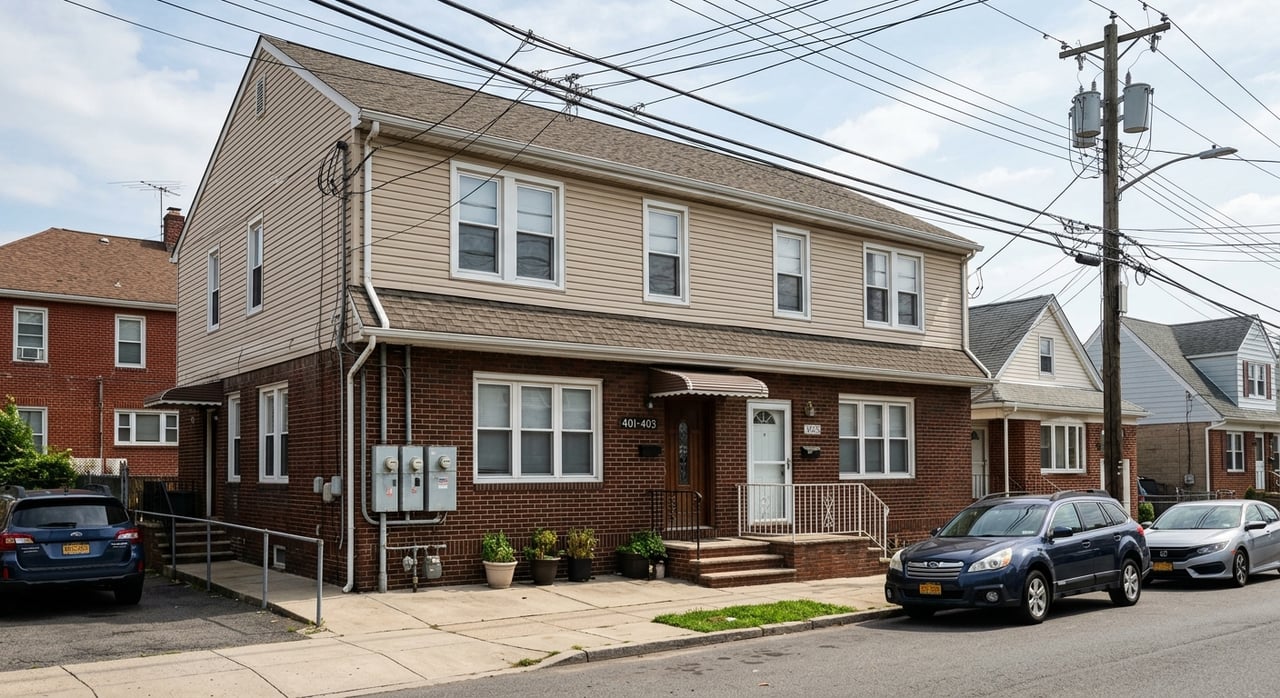
If you are thinking about buying a duplex, triplex, or fourplex in Livingston County, you need a different game plan than you would in a big-city apartment market. This is a small-town, county-scale rental market where location, financing, maintenance, and local due diligence matter more than flashy projections. If you want to invest with clearer expectations and fewer surprises, this guide will help you understand what to look for in and around 61740 and across Livingston County. Let’s dive in.
Livingston County Investment Basics
Livingston County is a mostly rural area in north-central Illinois with 35,815 residents and 15,982 housing units. About 74.3% of housing is owner-occupied, which tells you right away that this is not a renter-heavy urban market. The county also has a median gross rent of $880, a median owner-occupied home value of $142,200, and a median household income of $73,790.
That backdrop matters when you evaluate small multi-unit properties. You are not buying into a dense apartment ecosystem with constant renter turnover and deep demand across every block. You are investing in a smaller market where stable underwriting, realistic rent assumptions, and careful property selection are especially important.
The target ZIP code 61740 is Flanagan, which reinforces that point. In this part of Livingston County, investing in small multi-unit property is usually more about finding the right building in the right town than trying to scale a high-volume rental strategy.
Where To Find Multi-Unit Properties
In Livingston County, the most likely places to find duplexes, triplexes, fourplexes, and small apartment buildings are the incorporated towns and village centers. The county spans about 1,045 square miles, so housing patterns vary a lot between town centers and rural areas. Density is much higher in places like Pontiac than in scattered rural locations.
A county mitigation plan estimates about 833 homes per square mile in Pontiac compared with about 11 homes per square mile in rural parts of the county. That difference gives you a practical roadmap for your search. If you want small multi-unit inventory, focus first on municipalities and established residential areas rather than isolated rural parcels.
Pontiac offers a helpful example of what this can look like locally. Its zoning classifications include two-family, townhouse, and multiple-family residential districts, which shows that higher-density housing types are part of the local housing mix in the county’s larger communities. That does not mean every town follows the same pattern, but it does suggest that town centers are where your search is most likely to pay off.
Why Town Centers Matter
Town centers usually offer the strongest fit for small multi-unit investing because they combine housing density with day-to-day convenience and local employment anchors. In Livingston County, Pontiac stands out as the county seat and a hub for agriculture, light industry, tourism, retail, transportation access, and public institutions. Those factors can help support a steady renter base.
Local facilities noted in public materials include OSF St. James medical center, the Livingston County Jail and Courthouse, Illinois State Police District 6 headquarters, Interstate 55, Amtrak rail lines, a municipal airport, a Caterpillar manufacturing plant, and grain-related activity centers. In a market like this, properties near local employment and service hubs often deserve a closer look.
How Financing Changes The Deal
One of the biggest decisions you will make is whether you plan to live in one of the units or buy the property strictly as an investment. That choice can affect loan options, down payment expectations, reserve requirements, and how your lender reviews rental income. In small multi-unit deals, financing structure is often just as important as the building itself.
Freddie Mac offers mortgage options for 2- to 4-unit owner-occupied primary residences. For FHA-financed 3- and 4-unit properties, guidance includes a self-sufficiency test and a requirement for 3 months of verified PITI reserves after closing. Projected rental income used for qualifying can also be reduced for vacancy and maintenance factors.
If the property is not owner-occupied, the lending path changes in a meaningful way. That is why it helps to identify your purchase strategy early. A house hack and a pure rental may look similar on paper, but they can underwrite very differently.
Questions To Ask Before You Apply
Before you get too far into the search, ask yourself:
- Will you live in one unit or rent them all out?
- How much cash do you want available after closing for repairs and reserves?
- Can the expected rents support the loan and operating costs conservatively?
- Are you comfortable with the added complexity of a 2- to 4-unit loan?
Clear answers here can save you time and help you target the right properties from the start.
How To Think About Rent In Livingston County
Rent planning in Livingston County should start with market anchors, then move quickly into property-specific analysis. Census data shows a countywide median gross rent of $880. HUD FY2025 rent limits for Livingston County list a 2-bedroom level of $960 and a 3-bedroom level of $1,230.
Those figures are useful, but they are not a promise of what any one building will produce. Actual rent potential can vary by town, unit condition, layout, utility setup, parking, and whether recent updates have been made. In smaller markets, even a solid building can underperform if you stretch the rent assumptions too far.
A safer approach is to underwrite each property conservatively. If numbers only work with top-of-range rent, minimal repairs, and no turnover loss, the margin may be too thin for a small-town investment deal.
Build In Vacancy Cushion
Livingston County’s owner-occupancy rate is relatively high, and the population has dipped slightly by 1.3% from April 1, 2020 to July 1, 2024. That does not mean rentals are a poor fit. It means the renter pool may be smaller and lease-up may move slower than in a large metro area.
You should plan for vacancy, make-ready work, and turnover costs with extra care. A few weeks of downtime between tenants can change the numbers quickly when you own a small building. Conservative projections can help protect you from overpaying on the front end.
Maintenance Costs Can Be Higher Than You Expect
Small multi-unit properties can look efficient on paper, but they often demand more maintenance planning than new investors expect. Livingston County’s hazard mitigation plan identifies floods, severe summer storms, hail, high winds, and lightning as recurring risks. Pontiac has also experienced flood impacts.
For you as an owner, that means exterior systems deserve close attention. Roofs, gutters, drainage, siding, windows, and HVAC equipment can create bigger capital needs than a simple single-family reserve model would suggest. A building with multiple units may produce multiple rent checks, but it can also multiply repair exposure.
Focus Your Inspection Mindset
When you tour a property, pay extra attention to:
- Roof age and visible storm wear
- Grading, drainage, and signs of past water issues
- Siding, soffits, and gutters
- Window condition and exterior maintenance
- HVAC age and service history
- Shared mechanical systems and utility separation
In a county where weather-related wear is a known factor, preventive thinking can protect your cash flow.
Understand Illinois Deposit Rules
If you are buying a small multi-unit property, you also need to understand how unit count affects landlord obligations. In Illinois, security-deposit rules can differ depending on the size of the building. This is one reason why a five-unit property can carry different operational rules than a four-unit property.
According to the Illinois Attorney General, under the Security Deposit Return Act, landlords of buildings with 5 or more units generally must return the deposit within 45 days after move-out if the tenant does not owe back rent and did not damage the unit. If deductions are taken, the landlord must provide an itemized statement and receipts within 30 days.
For buildings with 4 or fewer units, Illinois Legal Aid notes there is no specific statewide return timeline unless a lease or local ordinance adds one. Outside Chicago, landlords with 24 or fewer apartments generally do not have to pay interest on security deposits. The practical lesson is simple: unit count matters, and your lease process should match the property you buy.
Verify Taxes Parcel By Parcel
Property taxes can change the math on a multi-unit investment quickly, so avoid broad assumptions. Livingston County officials handle tax billing, collection, delinquent tax sales, exemptions, and assessment records at the county level. That gives you local places to verify details before you close.
The County Treasurer prepares and mails tax bills, collects and distributes tax money, holds the tax sale for delinquent taxes, and administers real estate exemptions. The Supervisor of Assessments maintains property records and can adjust individual assessments. The Board of Review also makes clear that an appeal concerns the assessed value, not the tax bill itself.
For you, that means every deal deserves property-specific review. Do not rely on a neighborhood average or an old listing estimate when you are deciding what a building can truly carry.
A Smart Small-Town Investment Strategy
The best small multi-unit investments in Livingston County usually come from disciplined expectations, not aggressive spreadsheets. In and around 61740, this is a market where town location, property condition, financing type, weather exposure, and operating reserves all matter. If you treat it like a small-town income property strategy, you are more likely to make sound decisions.
That is also why local guidance matters. An experienced broker who understands owner-occupied multi-unit purchases, investor goals, country and small-town property issues, and county-level due diligence can help you compare opportunities more clearly. In a market like Livingston County, local context is often the edge.
If you are weighing a duplex, triplex, fourplex, or small apartment building in Livingston County, working with someone who understands both the numbers and the neighborhoods can make the process smoother. When you are ready to talk through your options, connect with Christopher Piercy for local guidance tailored to your goals.
FAQs
What makes small multi-unit investing different in Livingston County?
- Livingston County is a mostly rural, small-town market with a high owner-occupancy rate, modest rents, and slower growth than a large metro area, so conservative underwriting is especially important.
Where should you look for duplexes or fourplexes in Livingston County?
- The best places to start are incorporated towns and village centers, especially denser areas like Pontiac, where higher-density housing types are more likely to exist.
Can you buy a 2- to 4-unit property in Livingston County as an owner-occupant?
- Yes. Freddie Mac offers options for 2- to 4-unit owner-occupied primary residences, and FHA also has paths for 3- and 4-unit properties, though reserve and self-sufficiency rules may apply.
How should you estimate rent for a multi-unit property in Livingston County?
- Use county rent figures only as a starting point, then underwrite based on the specific property, unit mix, condition, utility setup, and a realistic vacancy cushion.
What maintenance issues matter most for multi-unit properties in Livingston County?
- Storm-related wear, drainage, roof condition, exterior upkeep, HVAC systems, and any signs of flood or water issues should be reviewed carefully because local weather risks are a known factor.
How do security-deposit rules work for Illinois multi-unit buildings?
- In Illinois, buildings with 5 or more units generally follow specific Security Deposit Return Act timelines, while buildings with 4 or fewer units may not have the same statewide timing rule unless a lease or local ordinance adds one.
Why should you verify taxes before buying a small multi-unit property in Livingston County?
- Because tax load can vary by parcel, and Livingston County assessment and tax records should be checked directly rather than estimated from nearby properties or past listing data.