Thinking about a small-town move that still keeps you connected to Chicagoland? Wilmington in Will County gives you space, river access, and practical commutes without losing touch with jobs and amenities around Joliet, Naperville, and Chicago. If you are weighing options from out of state, you want clear facts on travel times, schools, floodplains, and how to buy remotely. This guide walks you through everyday life, logistics, and next steps so you can plan your move with confidence. Let’s dive in.
Wilmington at a glance
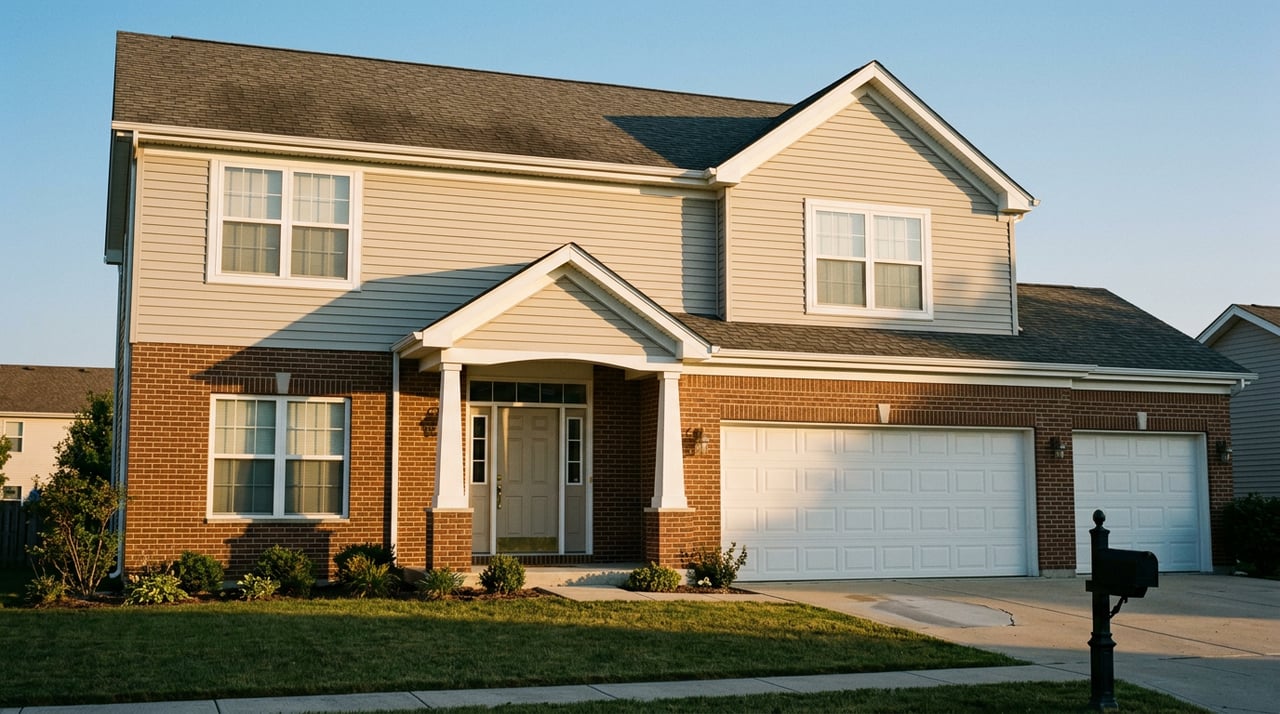
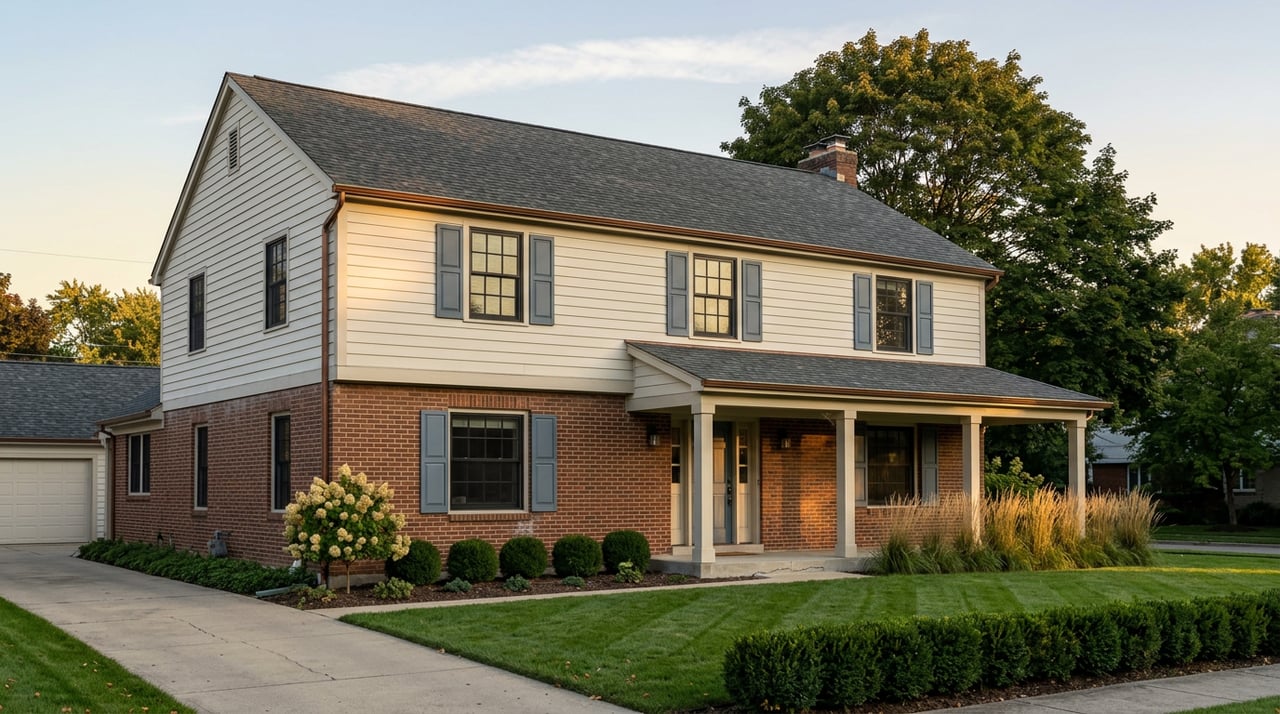
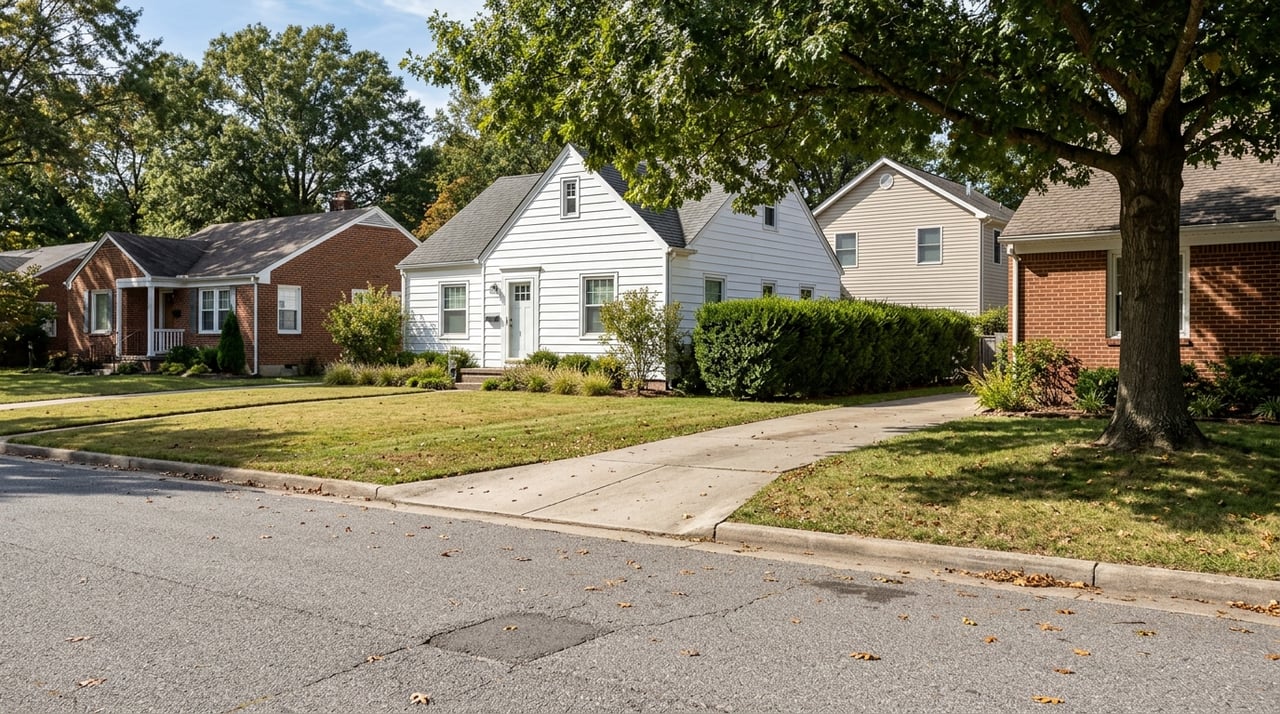
Wilmington is a small city in Will County within the broader Chicago–Naperville–Arlington Heights metro area. You will find a classic Midwestern mix of older homes near the historic Route 66 corridor, newer subdivisions, and some rural properties farther out. The community appeals to buyers who want lower-density living, river recreation, and more land value compared with many inner Cook County suburbs.
For a quick snapshot of population and household data, review the latest figures on the U.S. Census Bureau’s QuickFacts page for Wilmington city, Illinois. You can use these official stats to compare Wilmington with other small towns you may be considering.
- Explore community services and local government resources on the Village of Wilmington official website.
- Check population and demographic data on U.S. Census QuickFacts for Wilmington city, Illinois.
- For countywide services, start with the Will County government site.
Getting around and commute times
Wilmington offers direct access to Interstate 55, which is the primary corridor to employment hubs in Joliet, the I‑355 and I‑88 corridors, and Chicago. Regional state routes and county roads connect you to nearby towns and to I‑55, but plan for heavier traffic during peak hours.
Typical drive-time ranges from Wilmington:
| Destination | Typical drive time |
|---|---|
| Joliet | 20–35 minutes |
| Naperville or Aurora area | 40–60+ minutes |
| Downtown Chicago | 60–90+ minutes |
Public transit note: Wilmington does not have its own commuter rail station. The nearest options are in the Joliet area, where Metra offers service to Chicago Union Station. Heritage Corridor trains have limited weekday schedules, while other lines offer different frequencies and travel times. If rail is important to your routine, confirm the nearest station drive time from your specific address and review current timetables on Metra’s website. For regional and intercity trips, review schedules on Amtrak.
Pro tip: Run an address‑to‑address drive test for your actual destination and try it during peak hours. Factor in tolls, parking, and any employer transit benefits or carpool options.
Everyday essentials and services
You will find local grocery and retail options in town that cover day‑to‑day needs. For big‑box stores, specialty retail, and wider dining choices, residents often make periodic trips to Joliet, Plainfield, or Naperville. This mix lets you keep errands efficient while still having access to larger shopping corridors when you need them.
Primary hospitals and larger medical centers are located in Joliet and nearby southwest suburbs. Many residents use local clinics and urgent care for basic needs, then travel to regional hubs for specialty care. When you shortlist homes, map the nearest urgent care and hospital from each address so you understand response times.
Financial services such as banks, local lenders, title companies, and real estate attorneys operate in Wilmington and Joliet. For out‑of‑state buyers, working with local lenders and closing teams who know Illinois practices can streamline your timeline.
Schools and boundaries: what to verify
Wilmington is served by local public school district options. Boundaries can vary by street and may shift over time, so confirm the assigned schools for any specific property with the district before you make an offer. For objective performance data and report cards, use the Illinois State Board of Education’s Report Card site.
Tips for your due diligence:
- Ask your agent for district boundary maps and the school contact to confirm enrollment.
- Compare commute times to schools and after‑school activities from each home on your shortlist.
- Review enrollment policies for transfer students if you are relocating midyear.
Recreation and the river lifestyle
The Kankakee River is a defining feature of Wilmington. Locals enjoy canoeing, kayaking, fishing, and riverside walks. Access points, launches, and outfitters operate seasonally, so check availability during your preferred months. For county‑run open spaces, trails, and picnic areas, explore the Will County Forest Preserve District’s site at ReconnectWithNature.org.
Within a reasonable drive, you can also hike and birdwatch at Midewin National Tallgrass Prairie, a U.S. Forest Service site that preserves native habitat and offers miles of trails. Learn more and plan your visit through the Midewin National Tallgrass Prairie page.
Heritage tourism is part of Wilmington’s charm. The community sits along historic U.S. Route 66, which brings visitors for roadside architecture, diners, and photo stops. You should expect periods of tourism and truck traffic on certain corridors.
Floodplain and property basics
Some homes near waterways may be in mapped floodplains. Before you make an offer, pull flood information early so you understand insurance needs and any elevation or survey requirements.
What to do:
- Check the official map at the FEMA Flood Map Service Center for the property’s flood zone.
- If the property is near the river, ask about past flood history and request a flood‑zone determination from your insurer or lender.
- Budget for flood insurance if required by your lender and consider an elevation certificate for clarity.
Utilities and internet
Utility providers vary by street. Depending on the address, you may have municipal water and sewer or a private well and septic. Electric, natural gas, and broadband providers also differ across neighborhoods.
- Ask the seller for a recent utility bill sample to estimate monthly costs.
- Confirm water, sewer, and trash providers with the Village of Wilmington.
- Verify broadband speeds and service availability by running an address‑level check with regional providers.
Remote relocation made simple
You can complete much of your Wilmington home search remotely. Many buyers start with high‑resolution photos, 3‑D tours, and recorded walkthroughs. Live video showings are helpful for layout questions, storage, and exterior details you cannot see in listing photos.
Financing and pre‑approval can be completed online with national or local lenders. Local underwriting familiarity can speed things up for certain property types, especially if you are evaluating riverfront or rural homes. Title companies and closing attorneys in Illinois commonly use e‑signatures. If you plan to sign from out of state, confirm whether your chosen title company supports remote online notarization for your documents.
For interstate moves, verify that your mover is properly licensed and insured. You can check a carrier’s USDOT number and complaint history through the Federal Motor Carrier Safety Administration.
A practical timeline for out‑of‑state buyers
- Weeks 0–2: Define your budget, secure lender pre‑approval, and start a remote search using videos, 3‑D tours, and live virtual showings.
- Weeks 2–4: Shortlist properties, schedule in‑depth tours, and prepare to submit a competitive offer.
- Weeks 1–3 after contract: Complete inspections, order any specialty inspections, review title, and finalize your loan.
- Closing window: Most closings occur about 30–45 days from contract, subject to financing and title. Arrange for in‑person or remote notarization and plan your final walkthrough.
What to check before you make an offer
Use this quick list to protect your time and budget:
- Commute test: Drive the route to work or childcare during peak hours.
- School verification: Confirm district and assigned schools for the address and review the ISBE school report card.
- Flood research: Pull the FEMA flood map and ask about elevation certificates.
- Property taxes: Request the most recent tax bill and compare effective rates across taxing districts using resources on the Will County government site.
- Utilities: Verify providers for water, sewer, electric, gas, and broadband through the Village of Wilmington and local utilities.
- Inspections: Plan for general, septic or well, and any specialty inspections relevant to the property type.
How a local partner makes it easier
Relocating is about more than a house. It is about timing, logistics, and good information. You get better results when you have a single point of contact who can coordinate virtual showings, connect you with a local lender, schedule inspections, and keep the closing on track. With deep experience across Will, Grundy, Kankakee, LaSalle, and Livingston counties, a hands‑on broker can help you weigh commute tradeoffs, confirm school and utility details, and flag floodplain questions early.
If you are moving to Wilmington, you do not have to figure it out alone. Connect with a local team that pairs hyperlocal knowledge with modern tools, live video tours, and clear communication from first call to final walkthrough.
Ready to explore homes and map out your move? Reach out to Christopher Piercy to get your free home valuation and local market plan.
FAQs
How long are Wilmington commutes to major job centers?
- Typical drives are Joliet 20–35 minutes, Naperville or Aurora 40–60+ minutes, and Downtown Chicago 60–90+ minutes. Always run address‑to‑address checks at rush hour.
Does Wilmington have commuter rail service in town?
- Wilmington does not have a local Metra station. The nearest stations are in the Joliet area, with limited weekday service on the Heritage Corridor. Check schedules on Metra.
Are riverfront homes in Wilmington in a floodplain?
- Some parcels near waterways are in mapped flood zones. Review the property on the FEMA Flood Map Service Center and discuss flood insurance with your lender and insurer.
How do I research schools for a specific Wilmington address?
- Verify assigned schools directly with the district and review performance data on the Illinois State Board of Education Report Card site.
What should I know about property taxes in Will County?
- Effective tax rates vary by taxing district. Request the most recent tax bill for any property and consult the assessor and treasurer resources via the Will County government site.
What outdoor recreation is nearby?
- Residents enjoy Kankakee River access for paddling and fishing, county preserves for trails and picnic areas via the Will County Forest Preserve District, and hiking at Midewin National Tallgrass Prairie.